
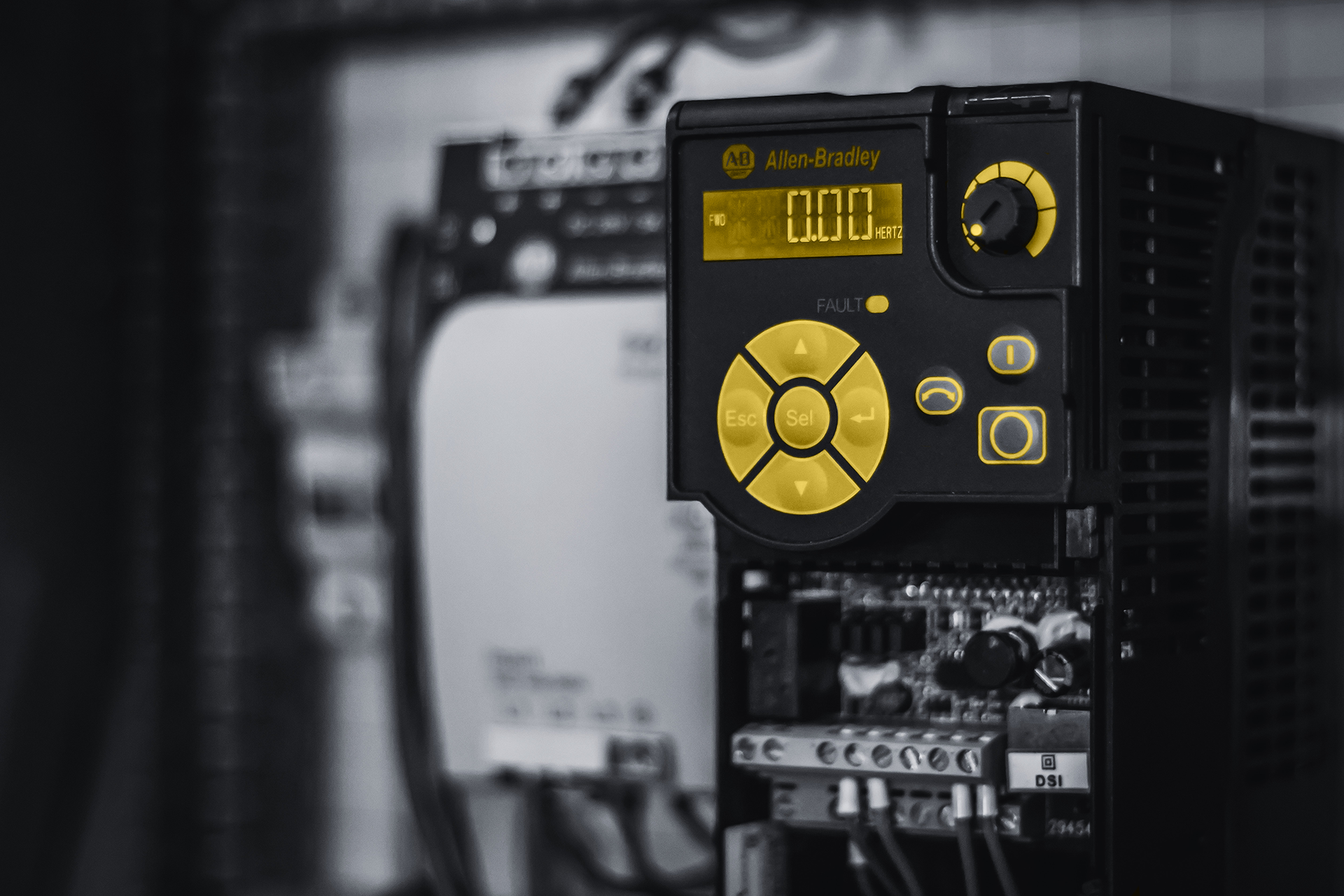
Old doesn’t mean outdated
Walk into any production facility, the UK, Germany, Italy, or anywhere in the world, and you’ll find the same thing:
lines powered by control systems that pre‑date smartphones and cloud storage but still run day and night, flawlessly.
Allen Bradley and Siemens have built that kind of reputation for dependability.
And there’s a reason so many manufacturers keep these legacy systems in place: they still work exceptionally well.
Reliability beats novelty
A well‑maintained S7‑300 PLC or an Allen Bradley SLC 500 may be old‑school, but it’s a known quantity.
Production managers don’t upgrade because a new model exists; they upgrade only when it truly improves reliability or compliance.
Legacy systems stay because they:
- Have decades of proven uptime.
- Use programming operators understand.
- Integrate perfectly with surrounding equipment built the same way.
- Deliver total control at predictable costs.
Replacing them “just because they’re old” is like rebuilding a factory that’s still making profit.
The real challenge: keeping parts available
Where these systems struggle is spares.
OEMs stop supporting older PLCs, HMIs and drives while factories continue running them well past the warranty lifetime.
That’s where obso automation connects the dots, by sourcing the discontinued modules, drives and displays that keep legacy lines alive without forcing a modernisation project.
We secure genuine new‑old stock and refurbished units from trusted suppliers across Europe, Asia and North America so our clients can keep their Siemens and Allen Bradley systems performing like new.
Why manufacturers choose to preserve legacy systems
- Cost avoidance – full system upgrades can reach six figures when you factor in wiring, software, and integration.
- Process validation – in industries such as pharmaceutical or food production, changes trigger lengthy approvals.
- Skill base – their maintenance teams know these systems inside out.
- Consistency of output – identical, repeatable production results already meet quality standards.
For many businesses, sticking with a trusted SLC 500 or an S7‑300 simply makes sense.
Global pattern, local reality
- UK: Older packaging and food plants still rely on Allen Bradley PanelView HMIs and Micrologix controllers because they fit existing space and infrastructure.
- Germany: Automotive and precision engineering lines loving Sinumerik and S7 controllers are maintained by teams who value predictable performance.
- Italy: Smaller artisan food and machinery manufacturers keep legacy Siemens drives because they’re easy to repair and cost effective.
The same pattern appears globally, from Asia to the Americas, anywhere the machine is still earning money.
When to modernise – and when not to
| Scenario | Best Move |
| OEM still building critical spares | Hold 2–3 spares and run on. |
| PLC firmware unsupported but stable | Keep working, stock replacement modules. |
Plan ahead for continued success
- Audit your current automation assets annually.
- Identify “mature,” “phase‑out,” or “discontinued” parts.
- Source critical spares before failure.
- Keep a backup CPU or HMI on the shelf, it often costs less than one hour of downtime.
We can help map your risk, find reliable spares, and build a stable supply plan so these systems keep performing for years.
Summary
Manufacturers around the world rely on legacy Allen Bradley and Siemens systems because they work, consistently, accurately, profitably.
Keeping them running doesn’t mean resisting progress; it means making progress work on your terms.
Obso automation helps you stay in control of that decision, keeping trusted systems productive long after the OEM has moved on.
Need help sourcing a legacy Siemens or Allen Bradley part? Send us the part number, we’ll find it and keep your line running.